Executive Summary:
Transmission fluid is thin and hydraulic-capable, keeping automatic shifts smooth, while gear oil is thick and pressure-resistant, protecting gears in differentials and axles. Their different viscosity and additives make them poorly interchangeable, so matching the manufacturer’s specification is the most reliable way to choose correctly.
Pop the hood or slide under a truck, and the drivetrain can look like a puzzle. Two fluids get mixed up constantly, and the debate over transmission fluid vs gear oil comes up at nearly every parts counter. Both keep metal parts from grinding themselves apart, but each one is built for a different job. This guide covers what each fluid does, how they differ, where to buy them, and how to pick the right one for a vehicle.
What Is Transmission Fluid?
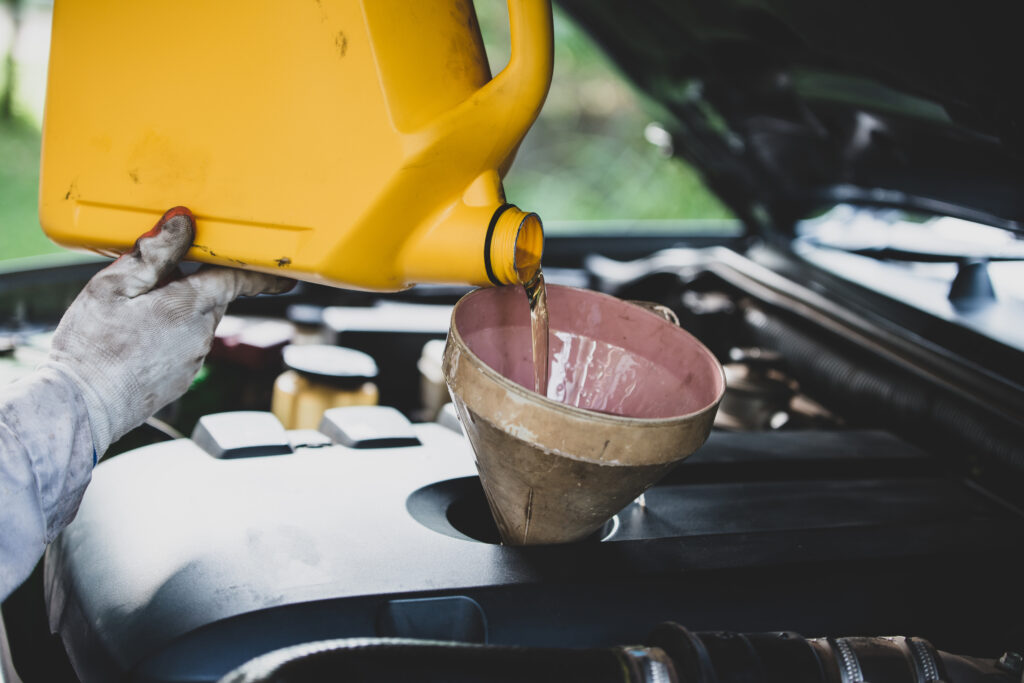
Transmission fluid is a specialized transmission lubricant made for the gearbox that sends engine power to the wheels. It does more than cut down on friction. Inside an automatic transmission, the fluid also works as a hydraulic medium, carries heat away from moving parts, and helps the clutch packs engage smoothly. Because of those extra duties, it contains detergents, friction modifiers, and anti-foam additives that keep shifts crisp and internal passages clean.
· Automatic Transmission Fluid
Automatic transmission fluid, usually called ATF, is thin and flows easily through the narrow channels of a valve body. Many vehicles call for a very specific formula, so a generic bottle may not match what the manufacturer requires.
· Manual Transmission Fluid
Manual gearboxes vary quite a bit. Some use ATF, some use a dedicated manual transmission fluid, and some use a light gear oil. The owner’s manual spells out which one belongs in the case.
What Is Gear Oil?
Gear oil is a thick gear lubricant built to protect gears under heavy pressure. Where gear teeth meet, the load is intense, and a thin fluid would squeeze right out. Gear oil contains extreme pressure additives that form a tough protective film on the metal surfaces. Its thickness is rated on the SAE gear scale, with grades such as 75W-90 or 80W-140. That scale is separate from the one used for engine oil, which causes plenty of confusion on store shelves.
Where Gear Oil Is Used
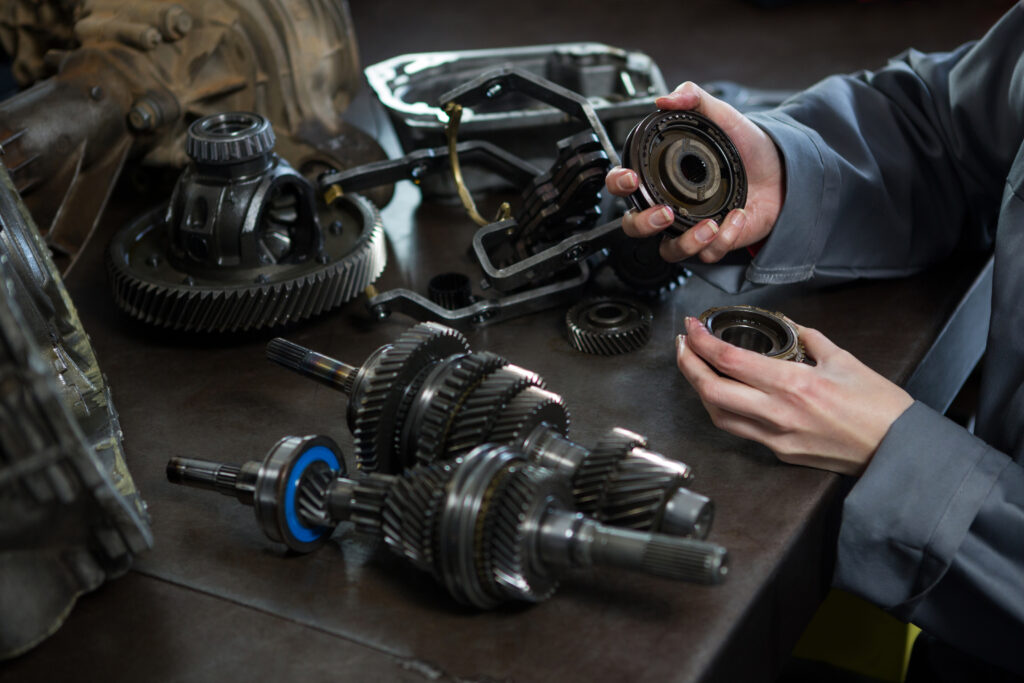
Gear oil typically shows up in places that handle torque and shock:
- Front and rear differentials
- Transfer cases in four-wheel-drive vehicles
- Some manual transmissions
- Axle assemblies on trucks and trailers
The Difference Between Gear Oil and Transmission Fluid
The difference between both comes down to thickness, additives, and the type of work each one handles. Gear oil is heavy and made to cushion gears that grind against each other under load. Transmission fluid is lighter and does double duty as a hydraulic liquid and a lubricant. The table below shows the main contrasts at a glance.
| Feature | Transmission Fluid | Gear Oil |
| Thickness | Thin and free-flowing | Thick and heavy |
| Main job | Lubricates, cools, and transfers hydraulic pressure | Lubricates gears under extreme pressure |
| Typical location | Automatic and some manual transmissions | Differentials, transfer cases, some manual gearboxes |
| Common color | Red, pink, or green | Amber to dark brown |
| Smell | Mild, slightly sweet | Strong, often sulfur-like |
| Additive focus | Friction modifiers and detergents | Extreme pressure and anti-wear additives |
· Viscosity and Thickness
Gear oil is much thicker, which lets it hold a film between gear teeth that press together hard. Transmission fluid needs to flow quickly through small passages and valves, so it stays thin. Putting thick oil where thin fluid belongs can starve parts of lubrication, especially in cold weather.
· Additive Packages
The chemistry inside each bottle is built for a purpose. Transmission fluid carries friction modifiers that let clutches grip at just the right moment. Gear oil relies on sulfur and phosphorus compounds that bond to metal under pressure. Each package works well in its own home and poorly in the other.
· The Hydraulic Role
An automatic transmission shifts gears using fluid pressure. That makes the fluid part of the machine’s control system, not just a lubricant. Gear oil has no such job, since differentials and axles have no hydraulic circuits to run.
Is Transmission Fluid the Same as Gear Oil?
No. They share the goal of reducing wear, but they are engineered differently. A quick look at the color and smell tells part of the story, since gear oil often has a sharp odor from its pressure additives. The better guide is the label. Look for an ATF specification such as Dexron or Mercon for transmission fluid, and an API GL rating for gear oil.
Some overlap does exist. A few older manual transmissions were designed for ATF, and some modern manual units call for a light gear oil. That overlap is the reason the two get lumped together, but the correct pick always depends on the manufacturer’s specification, not on a general rule.
Why Using the Right Fluid Matters?
· Risks of Mixing the Wrong Fluid
Pouring the wrong product into a drivetrain can cause slipping clutches, harsh shifts, overheating, and accelerated wear. Over time, the damage can run into a costly rebuild. Since the symptoms often start small, such as a slight shudder or a delayed shift, many drivers do not notice until the problem has grown.
· Compatibility With Soft Metals
Some manual transmissions contain brass synchronizers. Certain high-pressure gear oils, particularly those rated GL-5, can be too aggressive for these parts. Many manual gearboxes call for a GL-4 rated product for that reason. Reading the owner’s manual before buying saves a lot of trouble.
Where Can Vehicle Owners Find Transmission Fluid and Gear Lubricants?
Plenty of options exist, and the right pick depends on convenience and how specific the vehicle’s needs are.
· Local Auto Parts Stores and Dealerships
Parts stores stock the most common ATF and gear oil grades, and staff can often match a product to a vehicle’s make and model. Dealerships carry factory-specified fluids, which helps when a manufacturer requires a proprietary formula.
· Online Retailers and Specialty Suppliers
Online shopping widens the selection and makes it easier to compare specifications side by side. Drivers who want engine protection and drivetrain care can browse AMSOIL’s 5W-20 synthetic oil online in TX and order everything in one order.
Frequently Asked Questions
What is the difference between transmission fluid and gear oil?
Transmission fluid is thinner and works as a hydraulic fluid. Gear oil is thicker and built to protect gear teeth under heavy pressure.
Is gear oil the same as transmission fluid?
No. Gear oil is thick and made for heavy gear loads, while transmission fluid is thinner and manages hydraulic pressure.
Can you substitute gear oil for transmission fluid?
Rarely. Gear oil is too thick for automatics and lacks needed friction properties, so only substitute when the manual approves.
Can gear oil be used as transmission fluid?
Usually no. Gear oil is too thick for automatics and lacks clutch-friendly properties. Some manual transmissions allow it, so check the owner’s manual.
How do I choose the right drivetrain fluid?
Start with the owner’s manual for the exact specification and viscosity. Then match it to the bottle label, such as an ATF type or API GL rating.
What does gear oil protect?
Gear oil protects differentials, axles, transfer cases, and some manual transmissions by forming a strong film against heavy-load metal wear.
How do you choose the correct drivetrain lubricant?
Check the owner’s manual for the required specification, then match it to the bottle label, like ATF or API GL.
What should drivers know before replacing transmission fluid?
Confirm the correct fluid type and capacity first, since overfilling or underfilling causes problems. Also check whether the vehicle needs a full drain and fill or a simple drain and refill.
What does transmission fluid do?
Transmission fluid lubricates moving parts, cools the gearbox, cleans internal passages, and transfers hydraulic pressure for smooth, reliable gear shifting.
Conclusion
Transmission fluid and gear oil may look similar in a bottle, but they are made for different tasks. One is a thin, hydraulic-friendly liquid that keeps shifts smooth. The other is a thick, pressure-resistant lubricant that guards gears and axles. Matching the right fluid to the right component protects the drivetrain and avoids repair bills that could have been prevented. When in doubt, the owner’s manual gives the final answer.
Good maintenance covers every fluid in a vehicle, from the drivetrain to the engine. AMSOIL has built a reputation on synthetic lubricants made to protect hard-working vehicles in all kinds of conditions.
Ready to give the engine the same care as the drivetrain? Check out premium 5W-20 synthetic motor oil from AMSOIL and see how the right lubricant makes a difference.