Executive Summary:
Towing increases engine workload and can place additional demands on engine oil and other vehicle lubricants through greater heat, load, and operating stress. Proper oil selection, fluid maintenance, correct levels, and manufacturer-recommended service intervals help support lubrication and vehicle performance during demanding towing conditions.
Towing changes the way a vehicle works. A truck, SUV, or car pulling a trailer has to move more weight, maintain speed under greater resistance, and manage additional engine load. These conditions can affect engine temperature, oil condition, lubrication demands, and maintenance needs. Choosing the right towing engine oil starts with understanding how added load affects the engine.
Understanding towing’s effect on lubrication helps drivers choose the correct oil and follow a maintenance routine. The owner’s manual remains the primary reference because viscosity, specifications, capacity, and service intervals vary by engine.
Does Towing Affect Engine Oil?
Yes, towing can affect engine oil because the engine generally works harder while moving a loaded trailer. Greater load can create more heat and place additional demands on the oil film that protects moving components.
Engine oil reduces friction, carries heat away from internal components, keeps contaminants suspended, and helps protect surfaces from wear. During demanding towing, these functions become especially important.
Frequent towing can make oil condition more important between services. Drivers should check the oil level and watch for changes in appearance, smell, or level. Unusual oil consumption, leaks, warning lights, or engine behavior deserve prompt attention.
What Happens To Engine Oil When Towing?
When towing, increased engine load can raise operating temperatures and increase the workload placed on the lubricant. Heat can accelerate oil oxidation and contribute to the formation of deposits when oil is exposed to demanding conditions for extended periods.
· Heat Places Greater Demands On Lubrication
Oil must maintain an effective protective film as engine components move at high temperatures. If the lubricant becomes excessively degraded, its ability to perform its intended functions can be reduced. This is one reason severe-duty driving deserves closer attention to oil condition and maintenance.
· Contaminants Can Affect Oil Condition
Engine oil collects contaminants as it circulates. Towing does not automatically make oil dirty, but repeated heavy-load operation makes proper maintenance important. A clean filter and timely oil changes help keep the lubrication system working as intended.
· Oil Level Matters During Heavy Loads
A correct oil level is essential. Too little oil can reduce the lubricant available to circulate through the engine, while too much can also create problems. Checking the level on a level surface and following the owner’s manual provides a practical way to keep lubrication within the manufacturer’s requirements.
Towing and The Rest Of The Lubrication System
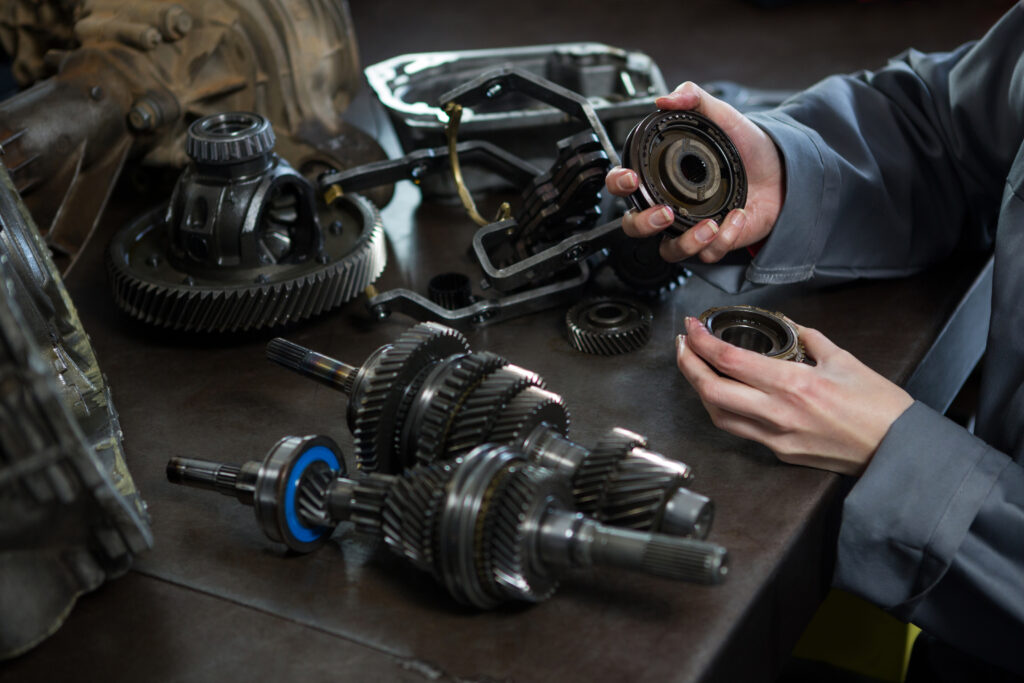
Engine oil is only one part of vehicle lubrication. Towing can also place additional demands on transmission fluid, differential lubricant, transfer-case fluid, wheel bearings, and other components, depending on the vehicle and trailer setup.
A towing maintenance routine should therefore consider the entire drivetrain. Fluid levels, leaks, unusual noises, shifting behavior, and service intervals deserve attention. The vehicle owner’s manual may provide separate maintenance requirements for towing or other severe operating conditions.
Texas drivers preparing for demanding service can turn to AMSOIL for the right 0W-40 engine oil in Pasadena, TX, while confirming the selected grade and specification match their vehicle before use.
· Does Towing Require Different Engine Oil?
Not always. The correct oil depends on the manufacturer, engine design, climate, operating conditions, and required specification. Towing may be severe service for some vehicles, but that does not mean a thicker oil should automatically be used.
The owner’s manual should guide viscosity and performance requirements. An oil meeting the specified standard provides the lubrication the engine was designed to receive. Choosing a heavier viscosity because it seems more robust can be inappropriate.
· What Motor Oil Is Suitable For Vehicles Used For Towing?
The right oil depends on the engine and the requirements listed in the owner’s manual. There is no single oil grade that fits every towing vehicle. Some engines may call for a lower-viscosity oil, while others require a heavier grade for specific operating conditions.
The best oil for towing is the oil that meets the manufacturer’s required viscosity and performance specifications for that vehicle and its operating conditions. Synthetic oil may be appropriate for some applications because its formulation is designed to provide stable performance across changing temperatures and demanding service.
| Towing consideration | Why it matters |
| Viscosity grade | Helps oil flow during startup and protect components at operating temperature |
| Manufacturer specification | Confirms compatibility with the engine’s design and requirements |
| Oil condition | Helps maintain lubrication and contaminant control |
| Filter condition | Supports removal of particles from circulating oil |
| Towing frequency | Helps determine how closely severe-service maintenance should be followed |
Checking the manual is important before switching grades. A higher viscosity is not automatically better for towing. The correct engine oil for towing should match the vehicle’s approved requirements rather than being selected only because the trailer is heavy.
· How to Maintain Lubrication During Towing?
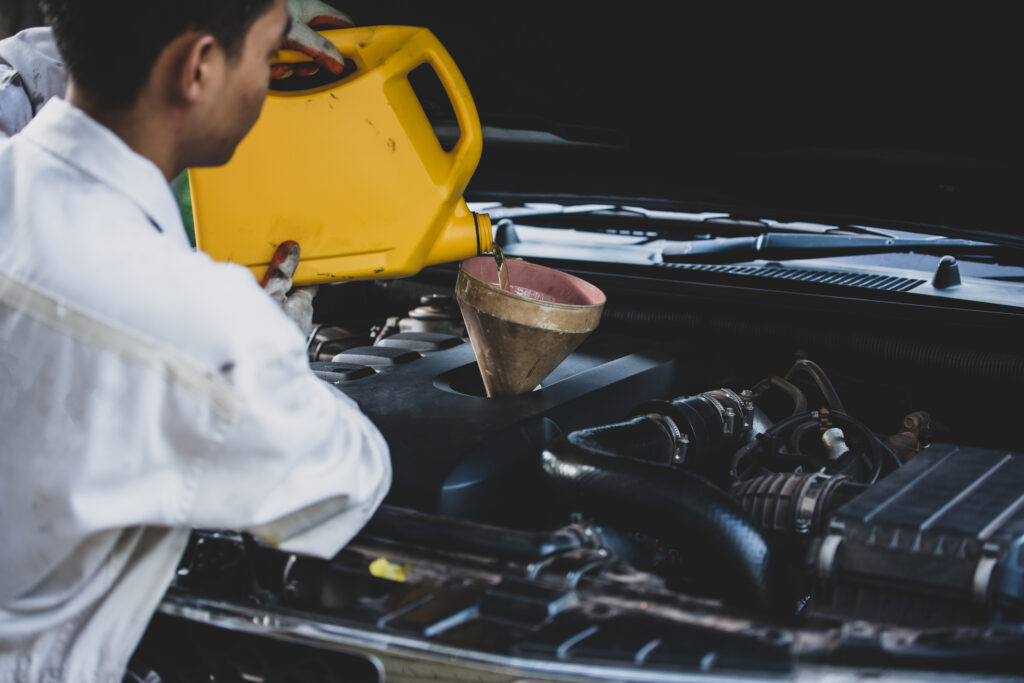
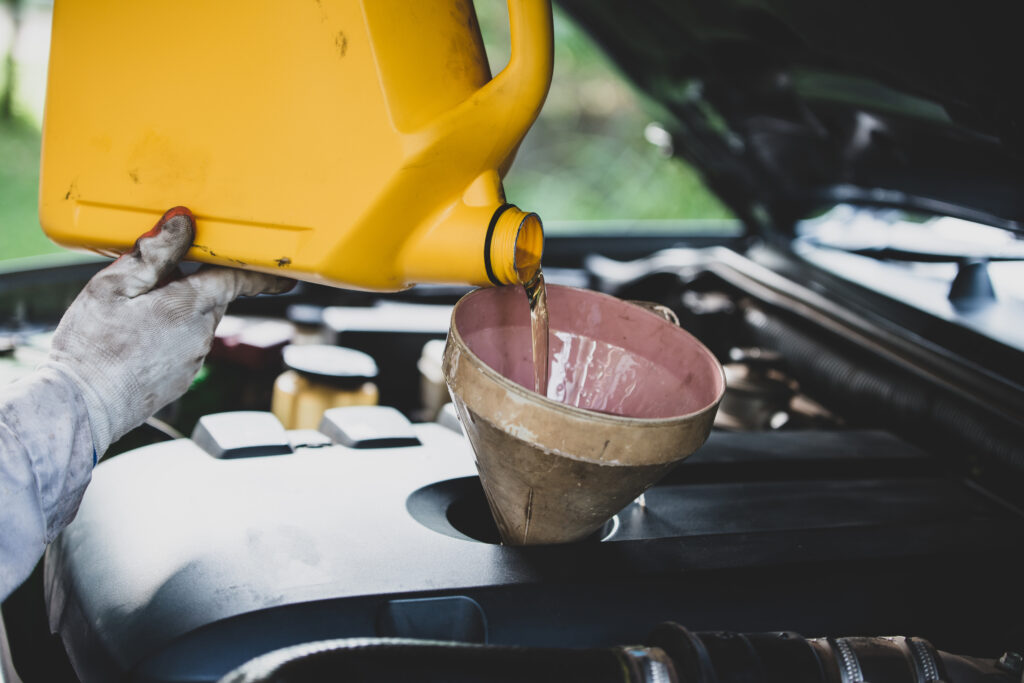
Good lubrication starts before the trailer is attached. Check the engine oil level, inspect for visible leaks, and confirm that the oil and filter are within their service requirements. It is also useful to review the maintenance schedule for transmission, differential, and other drivetrain fluids.
After demanding towing, pay attention to warning lights, unusual smells, changes in oil level, or new mechanical noises. These signs do not automatically indicate an oil problem, but they should not be ignored.
Service intervals should follow the vehicle manufacturer’s guidance. If the manufacturer provides a separate schedule for heavy towing or severe service, that schedule should be followed instead of assuming normal driving intervals apply.
FAQS
Does towing shorten oil life?
Towing can shorten oil life because increased engine load and heat may place greater demands on the lubricant. Follow the manufacturer’s recommended service schedule for towing conditions.
Should you change oil more often when towing?
Frequent or heavy towing may require more frequent oil changes if the manufacturer classifies it as severe service. Always follow the maintenance schedule specified for the vehicle.
Where can I find synthetic oil for severe service?
Synthetic oil is available from automotive service centers, parts retailers, and lubricant suppliers. Always confirm the product meets your vehicle manufacturer’s viscosity and performance specifications.
What oil viscosity is best for towing?
The best viscosity depends on the engine and manufacturer requirements. Check the owner’s manual for the recommended grade and use an oil that meets the required performance specifications.
Is synthetic oil better for towing?
Synthetic oil can provide useful protection under demanding conditions, including high temperatures and heavy loads. However, it should meet the vehicle manufacturer’s required viscosity and performance specifications.
How should drivers maintain vehicles used for heavy towing?
Follow severe-service recommendations, check fluid levels, inspect for leaks, and complete oil, filter, transmission, and differential maintenance according to the manufacturer’s towing requirements.
Does towing count as severe driving conditions?
Towing may qualify as severe service depending on the vehicle manufacturer’s maintenance guidelines. Check the owner’s manual to determine if towing requires a different maintenance schedule.
Conclusion
Towing can increase engine workload and create conditions that place greater demands on oil and other lubricants. Heat, load, operating time, and maintenance intervals all matter when a vehicle regularly pulls a trailer.
The safest approach is straightforward: use the oil grade and specification listed by the manufacturer, maintain the correct oil level, replace oil and filters according to the appropriate service schedule, and inspect the broader lubrication system. Drivers who understand these basics can make more informed maintenance decisions before and after heavy towing.
Choose the right protection for demanding towing conditions with small engine 5W-30 synthetic oil in Pasadena, TX, from AMSOIL. Find a formulation that matches your equipment’s specifications and helps keep your engine protected when the workload increases.