Summary: Texas heat, humidity, and heavy traffic create extra stress on vehicles, but regular maintenance can prevent many common problems. Checking fluids, tires, batteries, cooling systems, and AC components helps drivers protect performance, avoid costly repairs, and keep vehicles reliable throughout Southeast Texas summers.
Texas asphalt gets hot enough to fry an egg by mid-June, and your vehicle feels every bit of that punishment. Pavement holds stored heat long after sunset, engines work harder to stay cool, and rubber, plastic, and fluids age faster than most owners expect. Southeast Texas adds humidity that traps heat close to the ground and storms that arrive with little warning.
Rough summers and sudden storms both fall under the same tough driving conditions in Texas, and a driver who knows what the vehicle is up against catches small warning signs long before a full breakdown does. This guide covers what actually protects a car through a brutal Gulf Coast summer.
How Does Texas Heat Affect Vehicle Performance?
Heat attacks a vehicle from several directions at once, and each system wears down its own way.
- Battery Strain and Slow Starts
A car battery built to last three to five years can lose a third of that life under constant southeast Texas heat. Under-hood temperatures near Houston and Pasadena routinely climb past 140°F, which speeds up internal corrosion and dries out battery fluid.
Drivers usually notice the damage in the fall, once the first cool morning finally exposes a battery that has already weakened.
- Tire Pressure Swings and Blowout Risk
Tire pressure rises roughly one PSI for every ten-degree jump in temperature, so a tire set correctly at sunrise can be dangerously overinflated by noon. Black asphalt under a Texas sun reaches 130 to 160°F, and that radiant heat soaks directly into the rubber.
Underinflated tires flex more and build friction fast, which is why blowout reports spike across Texas highways every summer.
- Engine Overheating Under Load
Stop-and-go traffic on hot pavement is one of the toughest Texas driving conditions an engine deals with, since it forces the engine to work with almost no airflow to cool itself. Low coolant, a weak fan, or old hoses turn a normal Houston commute into an overheating warning light within minutes. A dash light that appears in heavy traffic deserves attention right away, not next weekend.
- Fluid Breakdown from Constant Heat
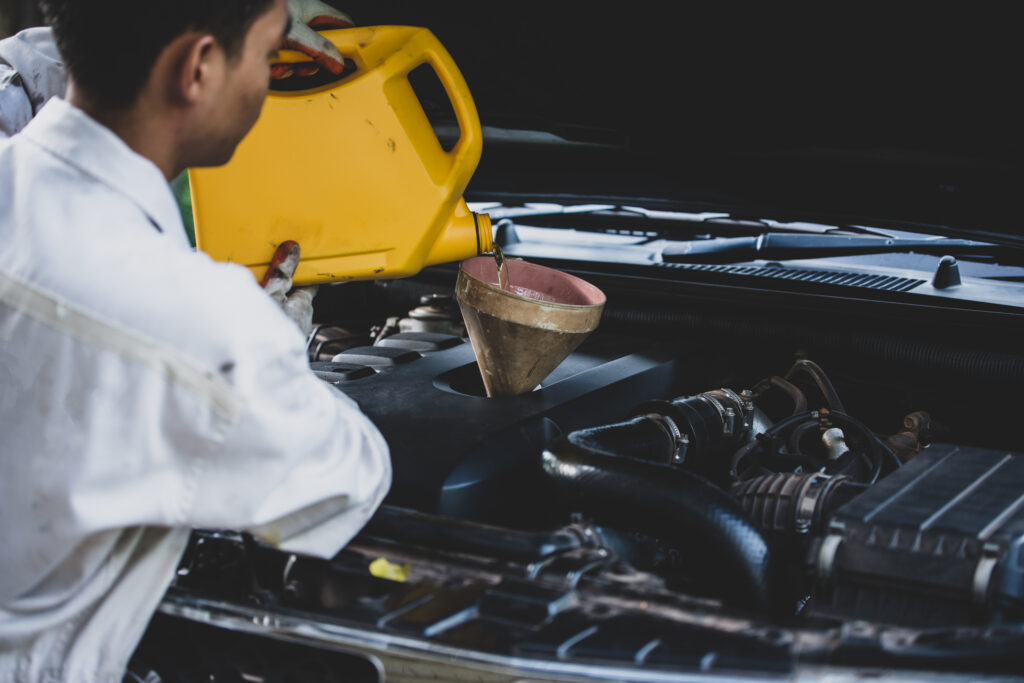
Motor oil, transmission fluid, and coolant wear out faster in long periods of extreme heat. As these fluids break down, they cannot protect your engine and other components as effectively. Staying on top of replacements helps your vehicle perform better and prevents expensive issues down the road.
- Interior and Dashboard Sun Damage
UV rays and cabin heat above 150°F fade dashboards, crack leather, and warp plastic trim over a single summer. Interior damage rarely causes a breakdown, but it lowers resale value over time. A sunshade and window tint slow the damage, though they do not stop it completely.
- Air Conditioning System Overload
The AC compressor runs almost nonstop through a Southeast Texas summer, and low refrigerant forces it to work even harder. A system already stressed by heat fails more often right when drivers need it most. A refrigerant top-off before summer keeps the cabin livable during the worst afternoon heat.
How Should Pasadena, TX Drivers Prepare Their Vehicles for Summer?
Pasadena’s heat, humidity, and heavy traffic can put extra stress on vehicles during summer, making proper preparation important.
- Watch Under-Hood Temperatures in Heavy Traffic
Pasadena sits close to refineries and industrial routes, so engines idle more often in heavy congestion, which raises under-hood temperatures further. A vehicle that spends more time idling needs closer attention to coolant and fan function. Drivers on this kind of daily commute should check these systems more often than the average schedule suggests.
- Keep Coolant Levels Topped Off
A coolant check before peak summer, plus a spare gallon kept in the trunk, gives drivers a safety net on Highway 225 or the Gulf Freeway. Coolant loss under heavy Pasadena traffic happens faster than it does on the open highway. A low coolant warning should never be ignored during a Texas summer commute.
- Plan Routes Around Peak Heat Hours
Midday drives during the hottest hours push both the engine and the air conditioning system to their limits. Running errands early in the morning or later in the evening reduces that stress on a hot day. This small shift in timing protects both the vehicle and the driver.
- Pack a Basic Roadside Kit
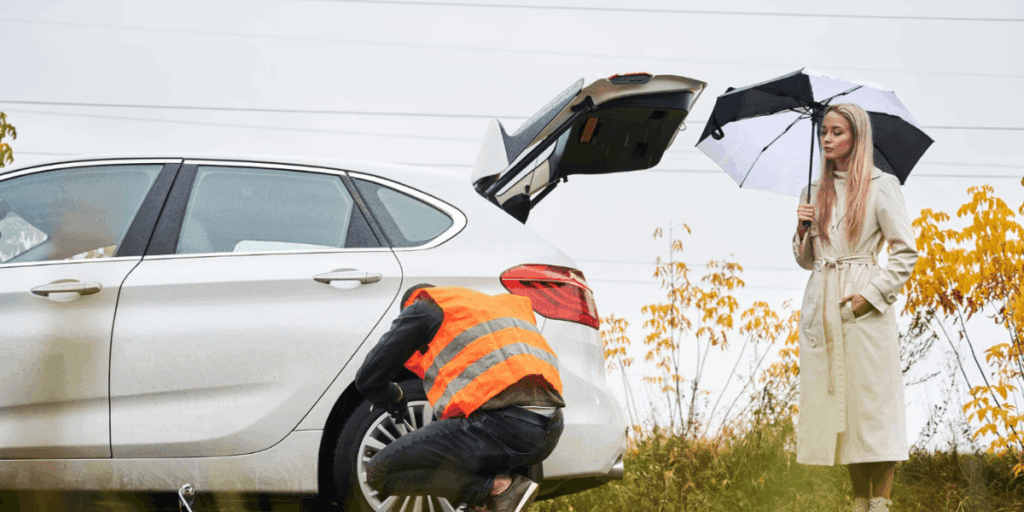
A trunk kit with water, a phone charger, jumper cables, and a tire gauge helps during an unexpected stop in Pasadena traffic. Coastal humidity and sudden storms make roadside waits longer than they would be in drier parts of the state. This kit works out better stocked year-round than assembled after a breakdown already happens.
What Vehicle Maintenance is Recommended in Southeast Texas: A Quick Summer Checklist
| Task | How Often | Why It Matters |
| Battery load test | Twice a year | Heat cuts battery lifespan by up to a third |
| Tire pressure check | Monthly, cold tires | Prevents overinflation and blowouts |
| Coolant and hose inspection | Every season | Stops overheating in stop and go traffic |
| Oil and fluid check | Monthly | Keeps engine parts protected under heat |
| Cabin air filter | Every 12,000 miles | Keeps AC running at full strength |
Smart Vehicle Protection Tips for Southeast Texas Summers
A short monthly routine catches most heat-related problems before they turn into a roadside call.
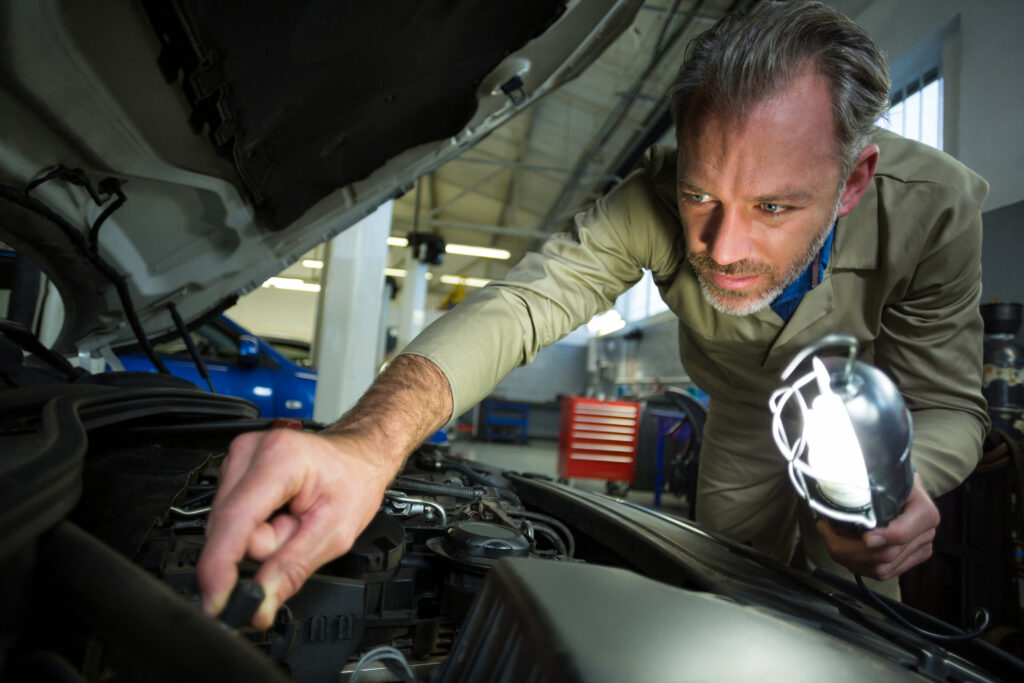
- Check fluid levels every month. Take a few minutes each month to check your oil, coolant, and transmission fluid. Catching low levels or small leaks early helps prevent bigger problems and keeps your vehicle maintenance in summer on track.
- Inspect tires before long trips. Check pressure while tires are cold and look for cracks, bulges, or uneven wear. Uneven wear on one tire often points to an alignment issue worth fixing before a road trip.
- Test the battery twice a year. A load test in spring and again in fall catches weak cells before they leave anyone stranded. Corrosion on the terminals is an easy sign to spot during a quick visual check.
- Keep the cooling system clean. Scheduled radiator flushes and fresh hoses keep the engine from running hot in stop-and-go traffic. A coolant level that drops between services usually points to a small leak worth catching early.
- Park in shade whenever possible. Shade or a sunshade cuts interior temperatures and protects the dashboard, seats, and electronics. A parking garage or covered spot makes the biggest difference during peak afternoon hours.
- How does hot weather affect a vehicle?
Hot weather raises tire pressure, drains battery life faster, strains the cooling system, and breaks down fluids sooner than a mild climate would.
- How can I protect my vehicle during summer?
Check fluids and tire pressure monthly, test the battery twice a year, park in shade when possible, and keep the cooling system in good condition.
- What maintenance should I do before a road trip?
Inspect tire tread and pressure, check coolant and oil levels, test the battery, and pack basic emergency supplies including water and a phone charger.
- Why is preventive maintenance important?
A weak battery or a soft tire caught early costs far less than a tow truck and a roadside repair, and it keeps a Texas summer drive safer overall.
Texas summers do not go easy on any vehicle, and ignoring that usually ends with a dead battery or a blown tire on a hot highway shoulder. A short monthly check of fluids, tires, and the cooling system protects an engine far better than one yearly inspection ever could. These vehicle protection tips, built into a routine, keep a car dependable through the hottest months and ready for whatever Southeast Texas throws at it next.
Your engine works hard through every Texas summer, and it deserves fluids built for that kind of heat. Visit us today to buy theAMSOIL oil in Pasadena, TX and keep your vehicle protected mile after mile!