
AMSOIL Synthetic Transmission Fluid
AMSOIL transmission fluid is not a generic commodity. Automatics, CVTs, dual-clutch gearboxes, manual transaxles and powersports drivetrains each need a specific mix of friction behaviour, viscosity, anti-wear chemistry and seal compatibility. AMSOIL builds several synthetic formulations for those different jobs. This page shows how to compare them, how to identify the right one for your vehicle, and what to verify before you pour.
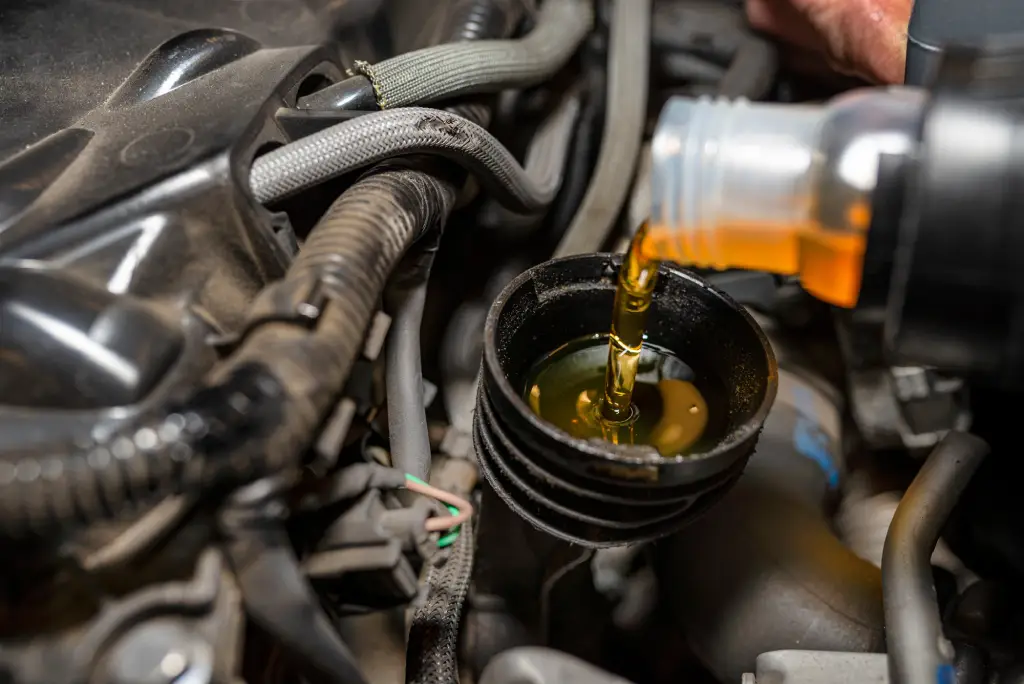
Why AMSOIL transmission fluid choice is application-specific
Every transmission system asks something different of its fluid. An automatic needs a carefully controlled friction coefficient so shifts feel right and clutches engage without slipping. A CVT needs a different friction profile again, because the belt or chain relies on fluid behaviour to transmit torque. A manual gearbox or differential is mostly about film strength and gear protection.
Using the wrong fluid typically shows up as poor shift quality, shudder, slipping or accelerated wear — and damage caused by the wrong fluid cannot be reversed by topping up with the right one. Treat transmission fluid as an application-specific part, not a consumable you substitute by colour.
Common transmission systems and what they need
A quick orientation before you open the owner’s manual. The manual still wins every time.
| System | Primary fluid demand | What to check |
|---|---|---|
| Automatic (stepped) | Controlled friction for shift feel and clutch engagement | The exact OEM ATF specification or part number |
| CVT | Precise friction behaviour for belt or chain drive | A CVT-designated fluid only — never a general ATF |
| Dual-clutch (DCT) | Friction and cooling under rapid, high-load shifts | Whether the gearbox uses one fluid or separate gear and clutch fluids |
| Manual / transaxle | Gear and bearing protection, synchro behaviour | GL-4 or GL-5 rating and the correct viscosity grade |
| Powersports gearcase | Wet-clutch compatibility and gear protection | The OEM recommendation for ATV, UTV or side-by-side drivetrains |
| Differential / hypoid | Extreme-pressure film strength under sliding load | Hypoid gear oil rating, not transmission fluid |
How to identify the right AMSOIL transmission fluid
Four checks, in this order, will resolve almost every fitment question.
Read the owner’s manual
Note the exact fluid specification, viscosity grade and any manufacturer part numbers or trade names. Write them down before you shop.
Use the AMSOIL lookup or data bulletin
Match the manufacturer requirement to the AMSOIL product that lists that application, including the recommended service interval.
Confirm on the label and current data sheet
Verify approvals, any mix limits and the service interval on the document that ships with the product you are buying.
Ask when the application is unclear
Rare, modified, hybrid or motorsport applications are where guessing gets expensive. Send us the details and we will help you narrow it down.
Do not identify fluid by colour or by what came out of the drain plug. Modern synthetics and OEM fluids can look alike while performing very differently.
What to compare between AMSOIL formulas
Focus on functional differences rather than marketing language.
Friction and shift feel
Critical for automatics, DCTs and some powersports gearboxes. Formulas are built to maintain the friction behaviour the shift strategy expects.
Viscosity range
Viscosity at operating and cold temperatures must match the OEM requirement for reliable shifting and startup lubrication.
Shear stability
In high-torque or heavily loaded systems, some synthetics resist viscosity loss under shear better than conventional fluids.
Approvals and scope
OEM listings simplify fitment, but confirm them on the current bulletin. Some products cover gear and transmission use; others are single-system only.
What to verify before adding or changing fluid
Never assume compatibility because the last service went fine. Before any fluid goes in:
- Check the manual for the specified fluid type and the service interval.
- Read the current AMSOIL bulletin for listed applications, approvals and any mix restrictions.
- Confirm the service procedure — a drain-and-fill and a full fluid exchange are not the same job, and some units trap old fluid in the converter or valve body.
- Protect the warranty — on a vehicle still under coverage, follow the OEM requirement exactly rather than an aftermarket recommendation.

How this page was researched and verified
SynOil4Sale is an independent AMSOIL dealer in Pasadena, Texas. The guidance here comes from matching customer vehicles to AMSOIL application data every week, including the awkward cases: CVTs that owners assume take ordinary ATF, and older trucks with obsolete fluid specs.
Product claims on this page follow the current AMSOIL data bulletins and labels, checked in October 2026. Where a manufacturer approval or service interval affects warranty, we tell customers to confirm it against their own documentation rather than relying on a product description.
We do not invent specifications. If a fluid is not listed for your application, we will say so instead of selling you something close.
AMSOIL transmission fluid questions
The three questions that come up most often at the counter and on the phone.
Can I use one fluid across automatic, CVT and manual gearboxes?
How do I know a product meets my vehicle's spec?
Do I need to flush when changing fluid types?
Not Sure Which Transmission Fluid You Need?
Send us the year, make, model and the specification from your owner’s manual. We will confirm the AMSOIL product that lists your application, the fill quantity and the right service procedure before you buy.
SynOil4Sale is an independent AMSOIL dealer in Pasadena, TX. Always confirm fluid specifications against your owner’s manual and the current AMSOIL data bulletin.